

Being pregnant during Covid-19 may be stressful and induce anxiety in many soon-to-be moms. However, that doesn’t mean that it’s impossible to get through! We outlined some of the guidance the CDC has released for pregnant women during Covid-19 because the sharing of useful information during a time like this is CRUCIAL.
Are COVID-19 vaccines safe in pregnancy?
A. Probably yes.
B. Pregnancy and the COVID19 vaccine itself very much isn’t. It is very dangerous to pregnant women.
The impact of covid-19 on pregnant women has been a concern for many people. unfortunately, there isn’t too much data available because we’re still learning about the virus. THE CDC however suggests that pregnant individuals may be at a higher risk.
The CDC also states that the pregnant population could possibly suffer from adverse pregnancy outcomes, such as preterm birth. It is advised that pregnant individuals take the utmost caution during these stressful times and do not skip their prenatal care appointments.
Here is some data released by the CDC:
- 4,954 Pregnant women have been Hospitalized since January 22nd.
- 21,573 pregnant women have been diagnosed with covid in the U.S.A and there have been 48 deaths.
- Hispanic or Latino pregnant women seem to be heavily impacted
Being pregnant during the pandemic is unimaginably stressful. shout out to all those new moms out there! If you’re having a difficult time coping with the pandemic and the risks it imposes, you don’t have to go through this alone! Approach your physician with any questions.
And of course-keep, yourself occupied! staying at home doesn’t mean you can’t have fun! Video call some of your pals or start picking out that wallpaper for the nursery! and most important-stay safe. Wear a mask and wash your hands regularly for twenty seconds.
References:
https://www.cdc.gov/coronavirus/2019-ncov/need-extra-precautions/pregnancy-breastfeeding.html

Image by Brodie Vissers
Does Steroid use affect fertility?
Steroids and fertility? What’s the connection between those two?
Anabolic steroids are quite familiar amongst competitive athletes. They provide the user with an edge because of a “boost” in strength.
Some effects on both men and women are reversible while some aren’t. One of the effects, however, is infertility and is most prominently seen in men.
Does Steroid use affect fertility? The anabolic steroids disturb hormone signals that are essential in producing sperm. The severity of the consequences depends on the dosage taken and the duration they’re taken for.
Men possess the ability to recover their sperm production anywhere from 3-12 months post-steroid usage.
Does Steroid use affect fertility? Anabolic steroid use during pregnancy may result in the virilization of a female fetus. Other effects of steroids also seem to be polycystic ovarian syndrome and endometrial hyperplasia.
The data used to write this post is from Sports, Doping and Female Fertility by Vignera et al. and Performance Enhancing Anabolic Steroid Abuse in Women by The American College of Obstetricians and Gynecologists. Check them out!
Evaluating your IVF Lab
How do you know if your IVF lab is good??? Well, one way is to inquire about new-cutting edge technologies they’ve invested in. Or are they using outdated methods??
How do you choose a fertility clinic? What questions can a lay person ask to begin to understand the quality of an IVF Lab? Quality goes beyond pregnancy success rates to new technologies, inspections and accreditations, staff experience and more! Find out what to ask.
Start with SART! The federal government requires fertility clinics to report IVF treatment cycle success rates, and you can find those statistics on the SART website. It also has a tool that allows prospective patients to search for fertility clinics by ZIP code, state or region; plus, women can plug in information such as their age, height, weight, and how many prior births they’ve had to predict their chances of success with assisted reproductive technology. Most programs are proud of their results and will list them on their website, however, those results whether success rates or a number of cycles reported, should match the number of cycles reported to SART or found in the CDC Assisted Reproductive Technology Fertility Clinic Success Rates Report.
Look for verified lab accreditation on the CDC report or in the alb. Find out who the inspecting agency is, the College of American Pathologists? The Joint Commission?
Look what percentage of their patients are in your age range, or have the same infertility diagnosis as you do.
Consider how the clinic’s staff talk to you, what they say – how professional does the care feel? Use all of your senses. Is the care personalized and professional enough so you feel comfortable?” An example of dehumanizing behavior: some clinics have an application process to decide if you should be treated there. Does the clinic have a support group?
Failed to call in prescriptions to pharmacy
Lost paperwork
Lost appointments
Failed to call with results
Failed to order appropriate test
Look on Indeed, Glassdoor, or other job sites to get an idea of staff turnover and what staff have to say. Find out how experienced the providers are, how well-trained are they and how long have they been there? As with other fields of medicine, experience matters in reproductive medicine. Providers should be fellowship-trained and board-certified in the field, both of which are the standard. Also inquire how long the medical providers have been at the facility. If there seems to be high staff turnover, there could be leadership and organizational issues at the clinic.
Look for clinics that can offer the latest treatments and protocols. These might include blastocyst transfer, freeze all cycles, mini or low STIM IVF, preimplantation genetic screening of embryos and single embryo transfer, ERA testing. Don’t choose your clinic based solely on insurance coverage. base your decision on the performance of the individual clinic.
Weigh the cost of the treatments with the CDC success rates. Good clinics with high success rates may cost more up front but may get you pregnant faster and at a lower cost in the long run instead of paying for multiple treatments.
Consider inquiring about the technologies the clinic uses. Do they use an EMR? Does it have A patient Portal for easy communication? Is there an electronic consenting process? Does the lab have state of the art cryo-storage monitoring systems? Does the lab use “electronic witnessing”?
List of new cutting edge technologies
Embryologist training systems like ART Compass
Electronic “witnessing”
Reagent traceability
Laser biopsy vs. flick biopsy
Quality control applications and network of sensors “IoT”
Patient scheduling and medication management, patient portals, and EMRs
Electronic consent
Cryostorage alarm systems
Cryostorage management, including “blockchain” applications for traceability
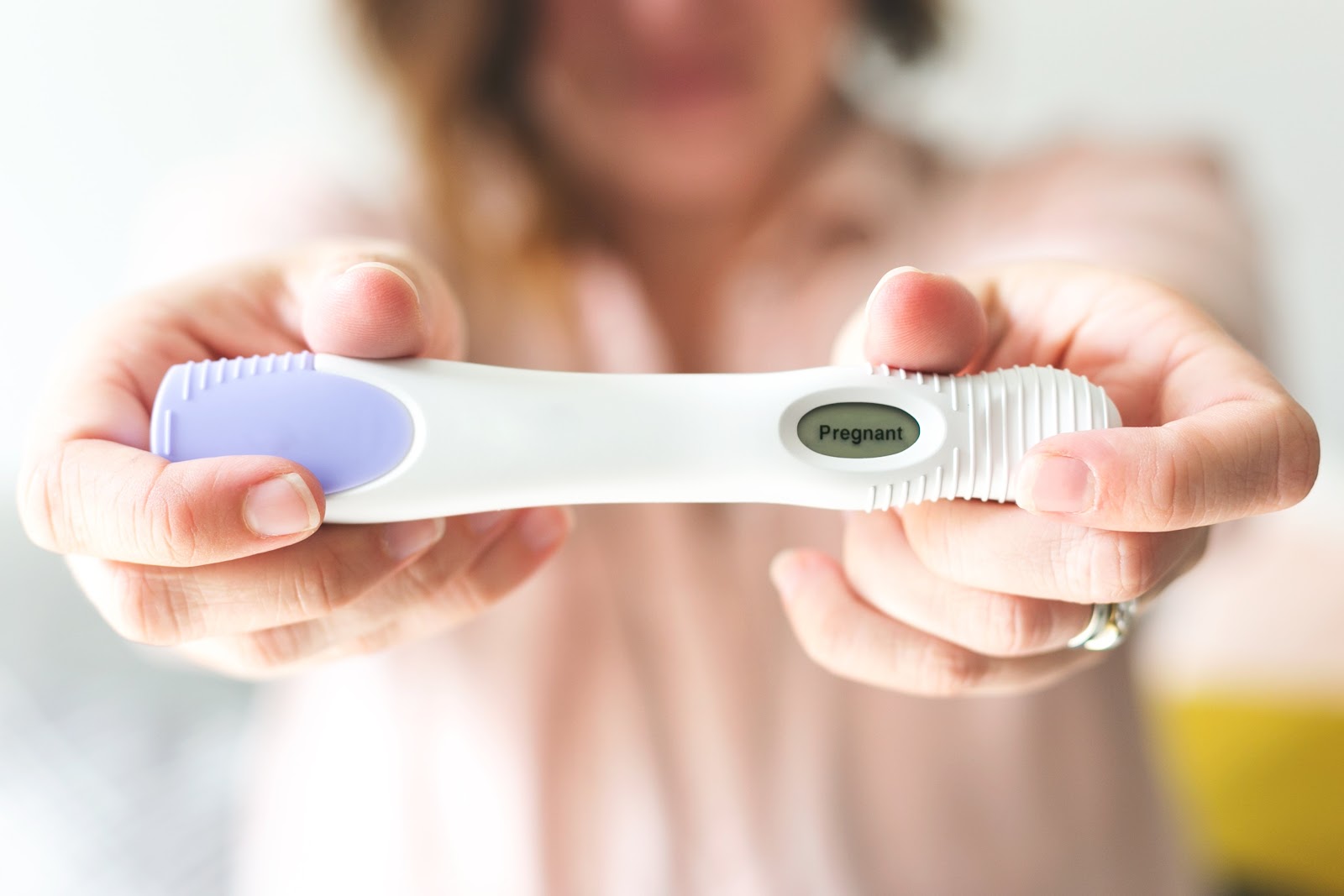
Image by Sarah Pflug
Biochemical pregnancy is one that occurs within just a few weeks of implantation. It is believed that biochemical pregnancies account for up to 75% of all miscarriages. Even at such an early stage, the embryo produces enough of the hormone human chorionic gonadotropin (hCG) to be detected by a pregnancy test. Sadly, however, the embryo does not develop into a healthy pregnancy. Biochemical pregnancy can be devastating for couples who are trying to start a family.
Women who experience repeated IVF failures need to be evaluated thoroughly for both embryo competency and implantation dysfunction before and/or in the course of their next IVF attempt. Implantation problems should be evaluated before proceeding to the next IVF cycle.
Unexplained Infertility
Unexplained infertility can only truly be diagnosed after a full and complete fertility evaluation of both the male and female partner.
An unexplained infertility diagnosis may be justified if it has been shown that…
You are ovulating regularly.
Your ovarian reserves are good. (Evaluated with blood work and/or an antral follicle count.)
Your fallopian tubes are open and healthy. (Evaluated with an HSG.)
Your partner’s semen analysis is normal (including total count, sperm movement, and sperm shape.)
There are no serious uterine fertility issues. (Evaluated with a hysteroscopy.)
If any of the above has not been evaluated, a diagnosis of unexplained infertility may be premature.
Some may also argue a laparoscopy is also needed to rule out endometriosis. Endometriosis cannot be diagnosed with blood work or ultrasound.
Other reasons for What is a biochemical pregnancy??:
The interaction between the vaginal environment and sperm: After ejaculation, sperm must make their way out of the semen and into the cervical mucus. Then, they must swim up from the vagina, into the cervical opening, and eventually into the uterus.
Sometimes, there may be problems during that transition period, from the semen, into the cervical mucus, and up the cervix. For example, there may be antibodies in the cervical mucus or even the semen that attack the sperm.
This is known as hostile cervical mucus. How to effectively diagnose this problem isn’t clear, leaving cases like these frequently unexplained.
Poor egg quality: We have tests to determine if you’re ovulating, and testing to get a general idea of whether there is a relatively good quantity of eggs in the ovaries.
But there is no test to determine whether the eggs are good quality. Poor quality eggs may be caused by age, an underlying medical condition, or some yet unknown cause.
One study published in 2016 found that a newly discovered virus is more commonly found in the endometrial tissue of women with infertility than in women with proven fertility. But how to diagnose and treat this problem isn’t known.
Problems with a fertilized egg developing to a healthy embryo: Let’s say we get a healthy looking egg and sperm, and they become an embryo. Next, the cells inside the embryo divide and grow to eventually form a fetus.
Sometimes, this goes wrong. This is another problem that may be diagnosed during IVF treatment since embryos are monitored for normal cell division.
Primary Ovarian Insufficiency
Primary ovarian insufficiency — also called premature ovarian failure — occurs when the ovaries stop functioning normally before age 40. When this happens, your ovaries don’t produce normal amounts of the hormone estrogen or release eggs regularly.
Women with primary ovarian insufficiency can have irregular or occasional periods for years and might even get pregnant.
Signs and symptoms of primary ovarian insufficiency are similar to those of menopause or estrogen deficiency. They include:
Irregular or skipped periods, which might be present for years or develop after a pregnancy or after stopping birth control pills
Difficulty getting pregnant
Hot flashes
Night sweats
Vaginal dryness
Dry eyes
Irritability or difficulty concentrating
Decreased sexual desire
Cervical mucus and fertility play a fundamental role in the TTC process by nourishing and protecting sperm as it makes the long, arduous journey through the female reproductive tract to meet the egg. So, as you become more familiar with your cervical mucus, you will be able to better time having sex in order to conceive.
In simple terms, cervical mucus is a fluid secreted by the cervix, the production of which is stimulated by the hormone estrogen. Throughout your menstrual cycle, the amount and quality of cervical mucus that is produced will fluctuate, and by observing these changes you can begin to predict the most fertile days in your cycle. That being said, “should” be able to detect cervical mucus changes however, according to the Mayo Clinic, 23 out of 100 women practicing the cervical mucus method to prevent pregnancy in the first year of use, will actually get pregnant. What that says to me is that a lot of women have trouble detecting this exact physiological change- so if you don’t detect it, don’t worry!
As you approach ovulation, estrogen levels begin to surge, which causes the cervix to secrete more cervical mucus that is of a so-called “fertile quality”. This fertile-quality cervical mucus, also known as egg white cervical mucus (EWCM), is clear and stretchy, similar to the consistency of egg whites, and is the perfect protective medium for sperm in terms of texture and pH.
Having enough egg white cervical mucus during your fertile window will actually improve your chances of conceiving. And, by noticing when your body is producing egg white cervical mucus, you will be able to identify your most fertile days.
Cervical mucus plays and Fertility an important role in selecting motile, mostly morphologically normal sperm for fertilization. Insufficient production of fertile-quality cervical mucus or the presence of hostile cervical mucus may result from a variety of factors including diet, stress, hormonal issues, or even from taking prescription medications like Clomid.
The in vitro sperm–mucus penetration test (SMPT) is a sperm function test which measures the ability of sperm in the semen to swim up into a column of cervical mucus or substitute.
Normally, this cervical mucus is thick and impenetrable to sperm until just before release of an egg (ovulation). Then, just before ovulation, the mucus becomes clear and elastic (because the level of the hormone estrogen increases). As a result, sperm can move through the mucus into the uterus to the fallopian tubes, where fertilization can take place.
Abnormal mucus may do the following:
-Not change at ovulation (usually because of an infection), making pregnancy unlikely
-Allow bacteria in the vagina, usually those that cause infection in the cervix (cervicitis), to enter the uterus, sometimes resulting in the destruction of sperm
-Contain antibodies to sperm, which kill sperm before they can reach the egg (a rare problem)
However, problems with cervical mucus rarely impair fertility significantly, except in women who have chronic cervicitis or a cervix that has been narrowed (called cervical stenosis) by treatment for a precancerous abnormality of the cervix (cervical dysplasia).

Frozen Embryo Transfers- Can the embryo fall out?
After the embryo “fall out” has been transferred and inserted between the uterine walls, it’s not possible for the embryo to fall out as it is deep within the uterus and therefore you can safely continue with your normal routine after having an embryo transfer.
The transfer itself is a fairly simple procedure with very little discomfort. A thin, soft catheter is threaded through the cervix under ultrasound guidance, to be very exact in the embryo placement location, generally 1 to 2 cm from the top of the uterine cavity. After cleansing the cervix with solution, the fertility doctor will place an empty transfer catheter through the cervix into position inside the uterine cavity. Then the embryologist will bring the catheter containing the embryo(s) from the lab a few feet away, so we can minimize the time that the embryos are exposed.
Once we have the embryo(s), we feed the catheter with the embryo(s) fall out through the empty catheter that is in place. On the ultrasound screen, the patient will be able to watch the bubble of air and fluid the embryo is contained in getting placed gently into the uterine cavity. After placement of the embryo(s), the embryologist checks the catheter under the microscope to make sure that the embryo(s) is transferred properly. Then the patient can get up and go straight to the bathroom if needed.
After that, the embryos “fall out” have to implant into the uterine lining on their own over the next few days, with the goal of developing into a successful pregnancy.
But Shouldn’t I Go on Bed Rest?
Several recent studies have confirmed that immediate bed rest after embryo transfer is completely unnecessary. It may seem counter-intuitive, but, in fact, a study published in a well-respected peer-review journal, Fertility, and Sterility (Fertil Steril 2013; 100: 729-35), demonstrated better pregnancy rates with the immediate resumption of normal activities (including the bathroom) compared to bed rest right after the embryo transfer.
What is a Pessary??
Pessaries. A very messy and unpleasant part of many IVF cycles. What is a progesterone pessary? It’s a sort of wax-coated hormone delivery device that can be inserted into the vagina and or anus. The wax coating melts with your body heat to release the hormone you need.
When the wax coating melts, some of it will inevitably drop out. Vaginal insertion will likely be easier, but messier. Anal insertion will likely be a bit more awkward but overall less messy. In both scenarios irritation can occur- either of the cervix or bowels, causing you to have to switch routes.
The Preggars Kitchen has a wonderful and lighthearted essay on this topic. “Pessaries are the enemy of pants!”

Infertility research priorities (Optimal Ovarian Stimulation) have been proposed for 2021. Healthcare professionals, people with fertility problems, and infertility researchers (healthcare funders, healthcare providers, healthcare regulators, research funding bodies, and researchers) were brought together in an open and transparent process resulting in an article that was published in Human Reproduction in November 2020 outlining the top future infertility-related research priorities. The initial survey was completed by 388 participants from 40 countries, and 423 potential research questions were submitted. Fourteen clinical practice guidelines and 162 Cochrane systematic reviews identified a further 236 potential research questions.
The top 10 infertility research priorities for the four areas of male infertility, female and unexplained infertility, medically assisted reproduction and ethics, access and organization of care for people with fertility problems were identified. These top ten research priorities in each topic area outline the most pressing clinical needs as perceived by healthcare professionals, people with fertility problems and others, to assist research funding organizations and researchers to develop their future research agenda.
In this post, we will discuss Research Priority #2, Optimal Ovarian Stimulation: What is the optimal treatment for women undergoing IVF who are poor responders to increase live birth rates?
Blog Series
- An article was published in Human Reproduction in November 2020 outlining the top future infertility-related research priorities. The top ten ART research priorities are;
- What are the causes of implantation failure?
- What is the optimal treatment for women undergoing IVF who are poor responders to increase live birth rates?
- What is the optimal method of sperm selection in IVF cycles?
- In couples with unexplained infertility, does IUI increase live birth rates when compared with other ARTs, including IVF?
- In couples with unexplained infertility, what is the optimal number of IUI cycles before moving to IVF?
- What is the optimal method of embryo selection in IVF cycles?
- What are the factors that affect cycle to cycle variability in the number and quality of oocytes produced in an IVF cycle?
- What is the optimal time interval between ovulation and IUI?
- What is the emotional and psychological impact on children born using donor gametes?
- What is the emotional and psychological impact of repeated fertility treatment failure?
Why is Optimizing Ovarian Stimulation a Research Priority?
Optimal Ovarian Stimulation is a research priority because, despite 40 years of research and clinical application, the average success rate of IVF today has been reported to be as low as 20-40%. Poor ovarian response in IVF cycles ranges from 10-20%.
An inadequate response to controlled ovarian stimulation leads to insufficient egg retrievals, poor quality and maturity oocytes, and reduced embryo quality
Appropriate cycle response can prevent cycle cancelation, empty follicle syndrome, miscarriage. The two main ovarian stimulation protocols are:
- GnRH agonists or antagonists, with a wide-variety of variations.
- An agonist is a drug that activates certain receptors, an antagonist is a drug that blocks receptors without activating them.
Common Steps In Ovarian Stimulation
- Exogenous gonadotrophins to stimulate multi‐follicular development.
- Cotreatment with either gonadotropin‐releasing hormone (GnRH) agonist or antagonists to suppress pituitary function and prevent premature ovulation.
- Triggering of final oocyte maturation 36 to 38 hours prior to oocyte retrieval.
Ovarian Stimulation Protocol Variables
For GnRH Agonists
In the so‐called ‘long protocol’, the GnRH agonist is started at least two weeks before stimulation and continued up until oocyte maturation is achieved.
Alternatively, a ‘short protocol’ is used in which the GnRH agonist is given simultaneously with stimulation and continued up until the day of oocyte maturation trigger.
For GnRH Antagonists
Yet another option is the use of GnRH antagonists. These involve a shorter duration of use compared with the agonist ‘long protocol’ and are started a few days after initiation of stimulation, continuing up until administration of a drug to trigger oocyte maturation.
Final Maturation
At the end of the stimulation phase of an IVF cycle, a drug is used to trigger the final oocyte maturation, which is used to mimic the natural endogenous LH surge and initiate the process of ovulation before the mature eggs are collected from the woman and fertilized with sperm in the laboratory. Two drugs are currently used: human chorionic gonadotropin (HCG), which is the most common drug, or GnRH agonist in an antagonist protocol.
The Main clinical Decisions in Controlled Ovarian Stimulation
- Stop stimulation
- Trigger cycle
- Continue stimulation
- Number of days to follow-up, any dose adjustment needed
Ovarian Stimulation: Areas of Active Research
- How to determine the follicle-stimulating hormone (FSH) starting dose?
The FSH starting dose is usually chosen according to women’s age, clinical criteria, and markers of ovarian reserve. One of the best performing markers is the antral follicle count (AFC), which generally predicts ovarian response to FSH very well. However, we know in some cases that response can’t be predicted- we see either a “hyper” response or a poor response. Therefore, new ovarian response variables beyond; age, body mass index, day 3 serum FSH, AFC, ovarian volume, Doppler ovarian score, and smoking status are needed.
These could take the form of molecular biomarkers. For example, polymorphisms in genes involved in FSH signaling, estrogen biosynthesis, folliculogenesis, folate metabolism and others influence the response to exogenous gonadotropin administration are all good candidates. The promise of “precision medicine” i.e. Individualization of ovarian stimulation protocols could be realized through identifying these biomarkers, routinely testing infertility patients for them, and then incorporating them into clinical decision making.
Variations in FSH receptor (FSHR) gene have an essential influence on ovarian function and can account for several defects of female fertility. Normal functioning of the (FSHR) is crucial for follicular development and estradiol production in females and for the regulation of Sertoli cell function and spermatogenesis in males. In the last two decades, a number of inactivating and activating mutations, single nucleotide polymorphisms, and spliced variants of FSHR gene have been found, but the polymorphism FSHR Asn680Ser is practically the only genetic marker used clinically.
Growth characteristics and steroidogenic activities of antral cohorts exhibit considerable cycle to cycle variations, even in consecutive cycles using the same stimulation protocol, the type and dose of gonadotropin, and duration of stimulation. It is unclear why there are differences between two cohort of antral follicles of two different cycles exposed to FSH at the same dose and duration.
Antral follicles begin producing increasing levels of progestins, estrogens, and androgens. The mural granulosa cells and the adjacent theca cells surrounding the ovarian follicle are the sites of steroidogenesis. According to the “two cell theory” of steroidogenesis, the cells work cooperatively to produce estradiol. The theca cells express enzymes necessary for androgen synthesis, while the mural cells express aromatase, which converts androgens to estradiol.
Plausible explanations for cycle-to-cycle variation are; total steroid synthesis increase as a factor of increased number of growing follicles and their steroidogenic granulosa cell mass or increase in number or sensitivity of FSH and/or LH receptors on the granulosa cells in response to exogenous gonadotropin stimulation.
- New predictive algorithms and artificial intelligence to predict response to optimal ovarian stimulation.
- What are the new technologies on the horizon for measuring follicle growth?
Follicle growth is so important for making clinical decisions related to optimal ovarian stimulation, yet ultrasound (the most common method to measure follicle growth) is an inaccurate, insensitive technology with large margins of error. Two-dimensional transvaginal ultrasound (2D), can only provide an approximate volume for follicles, it is not very accurate.
Research into new ovarian imaging technologies, such as 3D ultrasonography, ultrasound-based biomicroscopy, MRI and doppler imaging.
- 3D Ultrasonography allows for automated measurement of follicular size in three dimensions (3D) using a software program that identifies and quantifies hypoechoic regions within a 3D dataset to provide an objective, fast, valid and reliable standard for such follicle measurements.
- Magnetic resonance imaging (MRI) is emerging as a research tool in ovarian imaging. Typically, MRI can be extremely accurate in the diagnosis of benign lesions, such as mature cystic teratomas, endometriomas, and nondegenerative leiomyomas located on the ovaries. In fact, many studies have shown MRI to be superior to both US and CT scans in diagnosing malignancy in indeterminate ovarian masses.
- Ultrasound-based- biomicroscopy to image human ovaries allows precise characterization of the structural details of the follicle wall reflecting histology, and early antral ovarian follicles (< 2 mm) and cumulus-oocyte complexes, which are not visible with conventional ultrasonographic techniques.
- Computer-assisted image analysis and mathematical modeling of the dynamic changes within the ovary
- Spectral, color-flow, and power Doppler imaging can facilitate physiologic interpretations of vascular dynamics over time
- Synchrotron-based techniques each have the potential to enhance our real-time picture of ovarian function to the near-cellular level. The use of synchrotron light in medical imaging is an emerging field and has not been used previously to image ovarian tissue of any species. synchrotron light is tremendously bright (in the order of 106 times brighter than the sun, at the surface of the sun) and therefore permits penetration and resolution not achievable with conventional radiography (e.g. angstroms to microns). It is particularly promising for soft tissue imaging because it provides exquisite contrast by using the X-ray bending properties of tissue, rather than the absorption properties.
- The COVID pandemic has placed a particular urgency on developing remote home patient monitoring technologies, such as;
- Home estrogen (E2) saliva testing
- Home sonography of follicle development
The ability to develop human oocytes from the earliest follicular stages through to maturation and fertilization in vitro would revolutionize fertility preservation practice. This is termed in vitro growth (IVG) or in vitro maturation (IVM) of human ovarian follicles. In vitro maturation of immature oocytes from an unstimulated cycle is an emerging technology. One of the safest ways to prevent OHSS is to not stimulate the ovaries. During an in vitro maturation of oocytes cycle, the immature eggs are retrieved from ovaries that are barely stimulated or completely unstimulated. The eggs are maturated in defined culture media for 24 to 48 hours and fertilized through IVF or ICSI. IVM is an experimental technique that consists of the in vitro conversion of oocytes at the GV stage to oocytes at the metaphase II stage.
This technology must include nuclear and cytoplasmic maturation of the oocyte and give rise to embryos that have a developmental potential that is similar to embryos obtained from standard IVF or from spontaneously in vivo matured oocytes. A few IVM practitioners have advocated for “rescue IVM” in IVF conventional settings to prevent severe OHSS. “Rescue IVM” is when the physician has come to the conclusion that a safe conventional IVF cycle cannot be done so they change the treatment direction to an IVM protocol to cycle instead. If the aspiration happens prior to the follicle selection, then OHSS risk can be eliminated.
Though IVM shows promising results, it is not mainstream for fertility treatment. Mainly because there are difficulties retrieving eggs from immature ovaries that are not stimulated, and a lower chance of live births compared to conventional IVF, and there is an increased rate of abnormalities in meiotic spindles and chromosomes from immature eggs. All of these are make compelling research case studies.

Image by Ed Harris
The Ketogenic Diets and Infertility require 70-80% of calories from fat, 15-25% of calories from protein and only 5-10% of calories from carbohydrates, it is both controversial and risky.
As a woman embarks on the path to motherhood, she should be nourishing her body–not inducing a state of metabolic starvation like ketosis. In contrast to the keto diet, a “fertility-friendly” diet is nutrient-dense and has a low-glycemic index.
It is important to focus on incorporating protein and healthy fats and eliminating processed carbohydrates and added sugars, it is equally important to balance your diet with nutritious fruits, starchy vegetables, legumes, and whole grains. These healthy carbohydrates provide essential micronutrients to naturally promote fertility.
Reducing carbohydrate intake can reduce circulating insulin levels, improve hormonal imbalance and result in a resumption of ovulation to improve #pregnancy rates.
Low carbohydrate diets can help to optimize fertility in some clinical groups, particularly for overweight and obese women with PCOS.
However, it is not clear how low in carbohydrates the Ketogenic Diets and Infertility should be or how long the diet should be maintained for optimal fertility outcomes. There has been a lack of research on the benefit of low carbohydrate diets for non-PCOS-related infertile women. More research is needed!
Hormones and Ketogenic Diets
Eating a high fat low carbohydrate diet helps improve and regulate your reproductive hormones. It can help in two ways: by providing your body with the building blocks of hormones (aka cholesterol), reducing the intake of foods that mimic reproductive hormones, and reducing the effects of metabolic syndrome by lowering blood glucose levels. Several of the most important reproductive hormones including Estrogen, Progesterone, and Testosterone all derive from cholesterol. That’s not all Cholesterol does for fertility, it is also a critical component of Vitamin D synthesis from sunlight, which is similarly shown to play a vital role in fertility.
PCOS is a hormonal disorder that affects 1 in 10 women. It is largely characterized by having high male hormone levels (hyperandrogenism), infrequent ovulation and is the leading cause of infertility. Adapting a fertility diet high in fat and low in carbohydrates is one of the best ways to improve the PCOS symptoms that prevent pregnancy. PCOS is highly correlated with carrying excess weight, type 2 diabetes, previous gestational diabetes, and cholesterol problems – problems that are all linked to high insulin levels. One recent study showed that every PCOS patient enrolled in a High Fat Low Carbohydrate fertility diet resumed regular menstruation and ovulation and half got pregnant naturally without the need of any medical intervention like ovulation induction, IUI, or IVF.
Should you take supplements on a ketogenic diet?
It can be extremely difficult to ensure your body is getting all of the vitamins and minerals that are essential to reproduction when on a ketogenic diet. Vitamins, minerals, antioxidants, and other nutrients are known to impact fertility. Supplements can be a great way to support a healthy diet and helping to improve fertility outcomes.
Besides:
- Protein
- Good fats
- iron
You need plenty of:
- Vitamin C
- Folate
- Potassium
- Calcium
- Vitamin E
- Zinc
- Folic acid
- Selenium
Nutrients. 2017 Mar; 9(3): 204.
Published online 2017 Feb 27. doi: 10.3390/nu9030204
PMCID: PMC5372867
PMID: 28264433
The Effect of Low Carbohydrate Ketogenic Diets and Infertility Hormones and Outcomes in Overweight and Obese Women: A Systematic Review

Image by Shopify Partners
Chances are you know someone Trying to Conceive (TTC), you know someone who is struggling with infertility. More than seven million people of childbearing age in the United States experience infertility.
What most people don’t understand about infertility is that its NOT that motherhood is out of reach, it’s that it’s JUST barely out of reach.
It’s not that motherhood didn’t happen, it’s that it almost did and, in fact, still could.
The difference between the grief of infertility and other reasons for mourning is in that promise of “just,” in “almost,” in “still could.” This does not make it more or less livable than other forms of grief, but it goes a long way toward explaining why the journey is so hard to explain, or understand.
Why might a woman put herself under the knife ten, twelve, twenty times to get pregnant, why might she spend hundreds of thousands of dollars in the effort???
We walk this path because motherhood is not unthinking, automatic, and instinctual, instead it is a thing that is both worked at and worked for. So how can you support the people in your life TTC?
– Be Supportive: Simply listen and be ready to listen when called upon.
-Acknowledge infertility as a medical and emotional crisis with a wide variety of losses, disappointments, and ‘costs’: physical, financial, social, marital.
-Be sensitive to the pain, stress, and emotional pressure of childlessness or the inability to expand one’s family as desired. There are science backed ways to reduce stress- consider gifting guided mediations and mindfulness practices for the reduction of stress which is being found to affect most of our bodily systems and make-up, especially the effects on our fertility.
-Respect the boundaries the infertile individual or couple sets regarding their infertility TTC (Trying To Conceive). Some infertile people prefer a high level of privacy about infertility. Others choose a more open approach.
- Realize that no matter what they are going through, no matter where they are on the fertility journey— they are strong.
”Sometimes courage isn’t climbing Mount Everest or changing the world. Sometimes your mountain to climb is made up of weekdays and months, made up of pushing yourself forward even when you want to nestle into the past. Sometimes changing the world means changing your world as gradually as you need to, as gently as you heal, because sometimes courage isn’t made up of war and bloodshed; sometimes courage isn’t made of combat. Sometimes courage is a quiet fight, a dim softness within you, that flickers even on your darkest days and reminds you that you are strong, that you are growing—that there is hope.”

Image by Matthew Henry
Are you wondering how long you should TTC before you see a fertility doctor? When should you keep going on your own, and when should you seek fertility help?
According to the American Society for Reproductive Medicine, if a couple has not achieved pregnancy after one year of unprotected sex, they should seek professional help getting pregnant.
However, if the woman is over age 35, she / they should seek help getting pregnant after just six months of unprotected sex.
Infertility can be a symptom of an underlying medical problem. Some causes of infertility worsen with time. So the longer you wait to seek help, the less likely fertility treatment will be successful for you.
If you or your partner have any risk factors or symptoms of infertility, you should talk to your doctor right away.
For example, if a woman has irregular periods, endometriosis, or PCOS, or if either partner has a history of sexually transmitted diseases, seeking help right away makes sense.
If you have a family history of early menopause or primary ovarian insufficiency (also known as premature ovarian failure or DOR).
There are a multitude of circumstances that warrant seeking help earlier in the process. These include, but are not limited to:
Being a woman over the age of 35: Although technology is advancing making it safer than ever to give birth even after the age of 40, many risks remain trying to successfully obtain pregnancy. As aging affects both egg quality and quantity, those above the age of 35 should seek help getting pregnant after just six months of unprotected sex.
Having any known reproductive issues or symptoms of infertility:
This can include
- Also, if you have two miscarriages in a row, you should ask for a fertility evaluation.
- Polycystic Ovary Syndrome (PCOS): a hormonal disorder impacting regular ovulation.
- Endometriosis: occurs when tissue normally lining the endometrium (lining the uterus) grows outside the uterus, most commonly involving ovaries, fallopian tubes, and other pelvic regions.
- Primary Ovarian Insufficiency (aka Premature Ovarian Failure): Being under the age of 40 and having abnormal ovarian function. IVF may be required.
- Uterine Fibroids: benign tumors growing within the muscle of the uterus.
- Irregular periods
Having a (family) history of:
- Primary ovarian insufficiency
- PCOS
- Endometriosis
- Uterine Fibroids
- Sexually transmitted diseases
- Early menopause
Having two miscarriages in a row: Although miscarriages do not always signify infertility, after experiencing 2+ miscarriages a fertility evaluation could be considered to identify any underlying causes.
Being proactive regarding fertility is always the best approach; YOU know YOUR body best. If you feel concerned, don’t wait to seek help from a fertility doctor . The sooner you have the answers to your questions, the sooner your mind can be put to ease by a fertility specialist and you can be on your way to conception.

Image by Brodie Vissers
Recurrent miscarriage is defined as having had two or more pregnancies in a row that ends before the 20th week. The condition can be caused by chromosomal problems, which are passed from one or both parents; conditions such as diabetes or fibroids, which are noncancerous growths on the uterus; immune system problems; hormonal imbalances; or congenital abnormalities of the uterus.
About 1 percent of women who experience Recurrent miscarriage have more than one in a row. In 50 to 75 percent of women who have recurrent miscarriages, doctors can’t pinpoint the cause.
Chromosome aneuploidy is common in human gametes and preimplantation embryos and is a major cause of in vitro fertilization (IVF) failure, miscarriage, and stillbirths, with an incidence at the birth of less than 0.3%. Most aneuploidies originate in the oocyte through errors in maternal meiosis and these increase exponentially in women in their late 30s and early 40s. This is associated with a sharp increase in the incidence of miscarriage and a corresponding decline in live birth rates in these women following IVF.
Blood Clots and Miscarriage
Blood clotting disorders can cause miscarriages. Genetic mutations in the Annexin 5 gene and anti-phospholipid syndrome (autoimmune disease) can cause blood clotting disorders to develop.
Roughly 8-42% of recurrent miscarriages are accounted for by antiphospholipid antibody syndrome. The disorder can lead to an increased risk for thrombosis and loss of placental sufficiency required for pregnancy. Current standard treatment calls for aspirin and heparin to increase the likelihood of live birth. Newer emerging treatment options include TNF (tumor necrosis factor-alpha) inhibitors and granulocyte colony-stimulating factor (G-CSF), although more extensive clinical trials are needed to determine the risks and benefits of these drugs for the treatment of recurrent miscarriage.
Treatment/Management
Treatment for recurrent miscarriage should be targeted towards the underlying cause. Apart from antiphospholipid antibody syndrome, other medical conditions potentially attributing to frequent lost pregnancy include thyroid conditions, diabetes, and obesity. These conditions should be treated by a medical professional as appropriate.
If the issue lies with congenital or acquired uterine abnormalities, surgical intervention may be needed. This can include hysteroscopic septum resection, lysis of adhesions, myomectomy, or repair of a bicornuate uterus.
Given the wide array of potential contributing factors, a collaborative effort between the entire healthcare team (involving embryologists, geneticists, endocrinologists, mental health specialists…) is key to helping with the management of recurrent miscarriage.
MTHFR Gene mutation
Currently, no professional medical organization recommends testing for MTHFR or measuring homocysteine levels for recurrent pregnancy loss.
•It is possible that there is a link between neural tube defects and MTHFR for some women with two copies of the C677T polymorphism, but the magnitude of the effect is low and the most important factor is whether there is adequate dietary folic acid. Again, folic acid has you covered.
•The current recommendation is not to order MTHFR testing or to use the results of MTHFR testing to inform for risk related to neural tube defects, but rather to recommend that everyone attempting pregnancy take 400 mcg of folic acid.
•The American College of Obstetrics and Gynecology (ACOG), the Association for Reproductive Medicine (ASRM), the American College for Medical Genetics (ACMG), and the National Society of Genetic Counselors (NSGC)— the medical experts in infertility, pregnancy loss, pregnancy complications, and genetic medicine — all recommend against testing for MTHFR polymorphisms for infertility, recurrent miscarriages, and neural tube defects.
References:
Pillarisetty, L. S., & Gupta, N. (2021). Recurrent Pregnancy Loss. In StatPearls. StatPearls Publishing. http://www.ncbi.nlm.nih.gov/books/NBK554460/